Vite dev server advisory
The team says to update now, even if you only run it locally.
Vite published a critical advisory for its dev server. Patched versions are Vite 8.3.7, 8.2.5, 8.1.7, 7.3.8 and 6.4.6, and Vite+ 1.5.1.
Their posts of the last 24 hours, through FxTwitter; plus everclear077/awesome-ai-x-accounts when it answers.
What tech Twitter is discussing, ranked by discussion.
The front page, plus stories over 80 points in the last 24 hours.
Every new issue, each delivered once, looking back up to 7 days.
 Agent evalsBest harness per modelThe HN thread drew 362 points and 125 comments.» Page 6VercelVercel's eve reaches 1.0Guillermo Rauch says eve did in 142 days what Next.js took five years to do.» Page 2
 Hugging FaceQwen3.8 gets a pi adapterTerminal-Bench 2.1 rises from about 40% to 56%, and the model makes 55 to 62% fewer tool calls.» Page 6
Pergent
The tech daily written for one reader
Wednesday, November 18, 2026No. 65Price: $0.04
The team says to update now, even if you only run it locally.
Vite published a critical advisory for its dev server. Patched versions are Vite 8.3.7, 8.2.5, 8.1.7, 7.3.8 and 6.4.6, and Vite+ 1.5.1.
Code Mode lets Claude write scripts that chain your tools together, and it can answer you while long commands run. You opt in with an environment variable.
Chrome team
The post doubles as a checklist for human developers too.
Chrome's team shows where coding agents fall back on old tricks, like hand-rolled focus traps instead of the inert attribute, and JS overlays instead of popover.
macOS networking

The author's fix was simply a reboot.
A post on photon.codes says a 32-bit timer used for TCP connections overflows if a Mac runs for more than 50 days without a reboot. One developer could not upload files bigger than 4MB, and his Claude sessions hung.
Node 26.13.1, 24.22.3 and 22.23.5 fix an HTTP/2 flaw that lets clients crash a server, and an HTTPS bug that can leak memory.
Vercel and shadcn
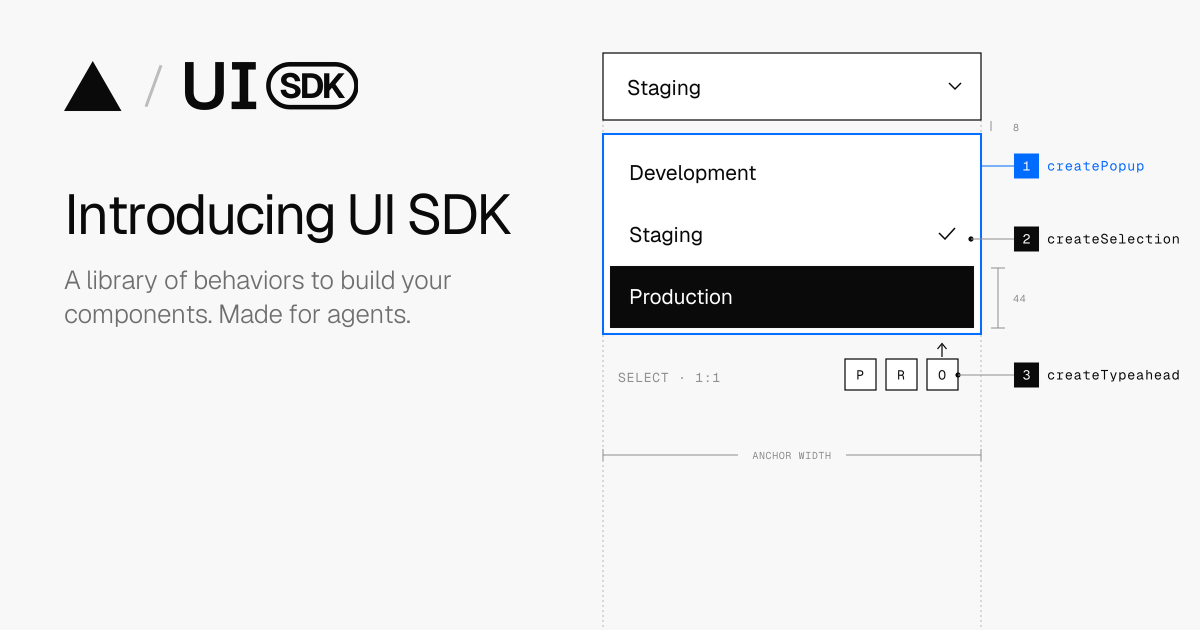
shadcn says the docs were written agent-first, for the same reason.
UI SDK is a new library from Vercel and shadcn with 50+ low-level behaviors, like roving focus, typeahead and drag and drop. It works in React, Vue, Svelte and Solid.
Guillermo Rauch says eve did in 142 days what Next.js took five years to do.
eve is a tool for building and deploying a production AI agent. It has 2.4 million downloads a week.
Microsoft AI

The HN thread drew 339 points and 149 comments.
Microsoft AI introduced MAI Code 2 and a lighter MAI Code 2 Flash. The launch is getting real attention from developers.
Replit

You give it a goal and a spending budget, and the swarm does the work.
Missions is a harness that runs many agents on one goal, such as getting your first 10 customers. Replit says on 13 NumPy tasks, one agent hit up to 4x speedups, 16 agents reached 17x, and 32 agents reached 19x.
Perplexity

Multiagent is for Max users on web, with mobile support coming soon.
Multiagent lets one model, like Fable 5.2, run several agents in parallel. The new Orchestrator API picks a model for each task from 45+ open-weight and closed models, balancing capability, capacity and speed.
OpenAI
Perplexity and Higgsfield had both models live the same day.
OpenAI released two new models, GPT-6.2 Astra and GPT-6.2 Sol, on Tuesday. OpenAI calls them efficient and built for real-world work, and the HN thread is the biggest of the day with 763 comments.
Cognition

Bryan Johnson uses them to turn billions of data points into one daily summary.
Devin Bots are teams of agents that work together. A QA bot can find a bug and hand it to a developer bot to fix, and you can reach them in Slack, by text or by phone call.

The HN thread on the Harvard study has 199 comments.
A Harvard study finds AI coding agents shifted the slow part of software work to code review. It lands the same week as Claude Code's team post on how they think about verification.
OpenAI
Swyx calls Astra his daily driver, while Matt Shumer says it is essentially unusable.
Matt Shumer says he will not review Astra or Sol because his testing was so bad, and his post drew 5,609 likes. Pushback includes swyx, who says Astra is the best workflow model he has used, and Teknium, who says OpenAI showed different Blender demos for 6.0 and Astra.
Open models

Lambert says the open-weight strategy is the same as it has always been.
Lots of people say Qwen4-Max being closed means the Chinese open-weight strategy is over. Nathan Lambert pushes back: Qwen has always kept its strongest model behind the API, and released open weights below that.
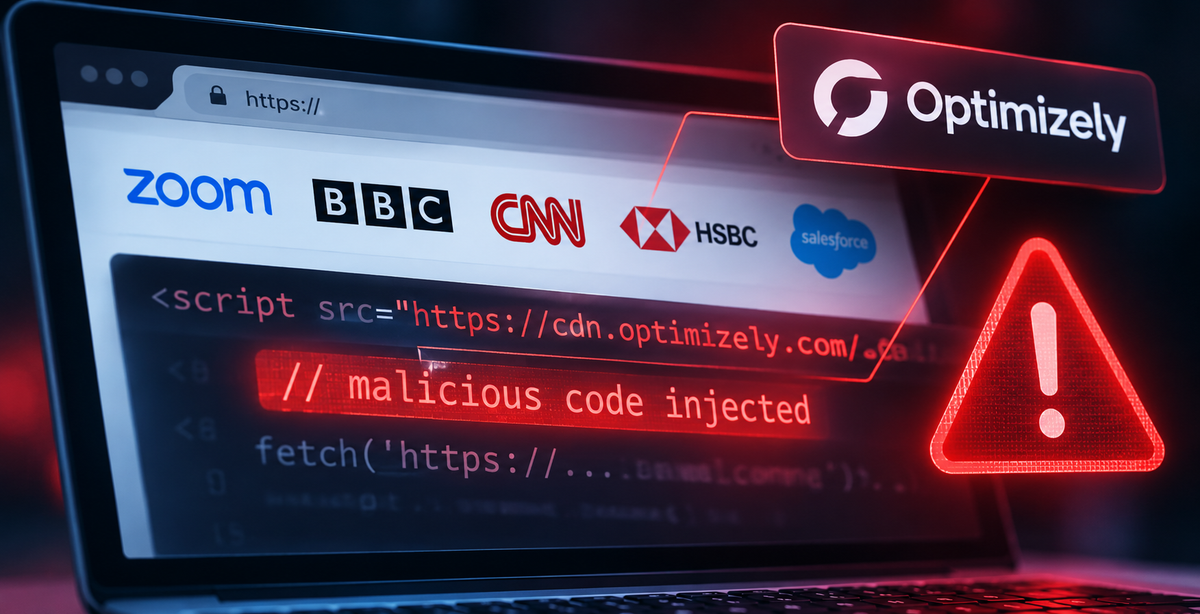
Scott Helme says Content Security Policy can, and did, help here.
An attacker used a flaw in Optimizely's A/B testing platform to inject a malicious script into pages on sites including Zoom, the BBC and GitLab. Optimizely has removed it.
Apple outage
Orosz says Apple has never published a postmortem for an outage.
Apple's developer status page showed services down, and the HN thread hit 681 points. Gergely Orosz notes that Microsoft and Google often share outage details, while Apple does not.
Solid.js
The team calls async signals the big change, five years after signals went mainstream.
Solid 2.0 is now stable, and version 2.0.0 is on npm with updated docs. The big new idea is async signals, which bring the same approach to data that loads over time.
DNS

Cloudflare's title calls it a canary in the coal mine.
Cloudflare wrote about Quad9 withdrawing its service from France. The HN thread has 155 comments.
The FBI advises checking app permissions and auth logs for bursts of automated activity.
The FBI links ARTEX, an AI-assisted security testing framework, to attacks by several threat actors since August. It says the tool can gain high-level access in under three hours.
Project Zero
Bugs already exploited in the wild follow separate rules.
AI-found bugs turned a few reports a year into several a week for some targets. Project Zero moved to 90 days in November, then plans 60 days in February 2027 and 30 days in January 2028.
AI safety
OpenAI can redact confidential details and ask for disclosure delays.
OpenAI signed agreements with Apollo Research, METR, Transluce and Goodfire to audit it from the inside. The auditors get access to model checkpoints, source code and monitoring systems.
OpenAI health
Admins can restrict actions, require approvals and inspect audit logs.
OpenAI's new agents click and type across health-record systems and insurer portals, even where no software connection exists. OpenAI says a CVS Health agent cleared a months-long document backlog over a weekend.
Grid permits
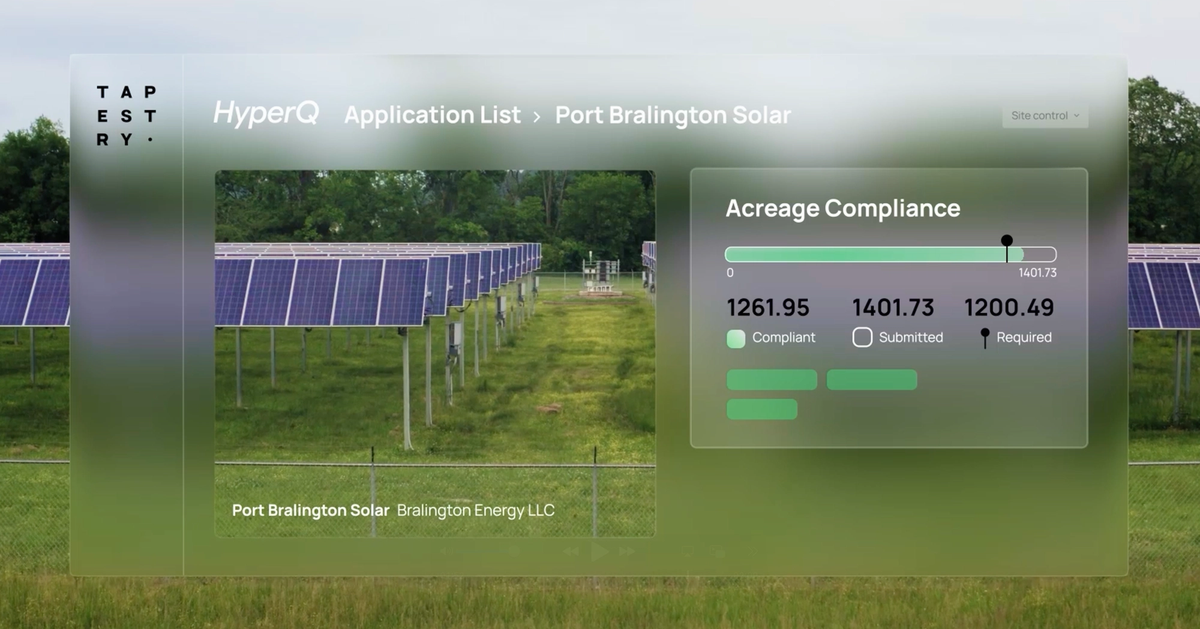
PJM engineers still made the final call on every project.
PJM ran an AI screening workflow alongside manual review of 811 power project applications. Agents checked leases and deeds and cited evidence, and the team says land-rights screening took under a day versus a two-month manual timeline.
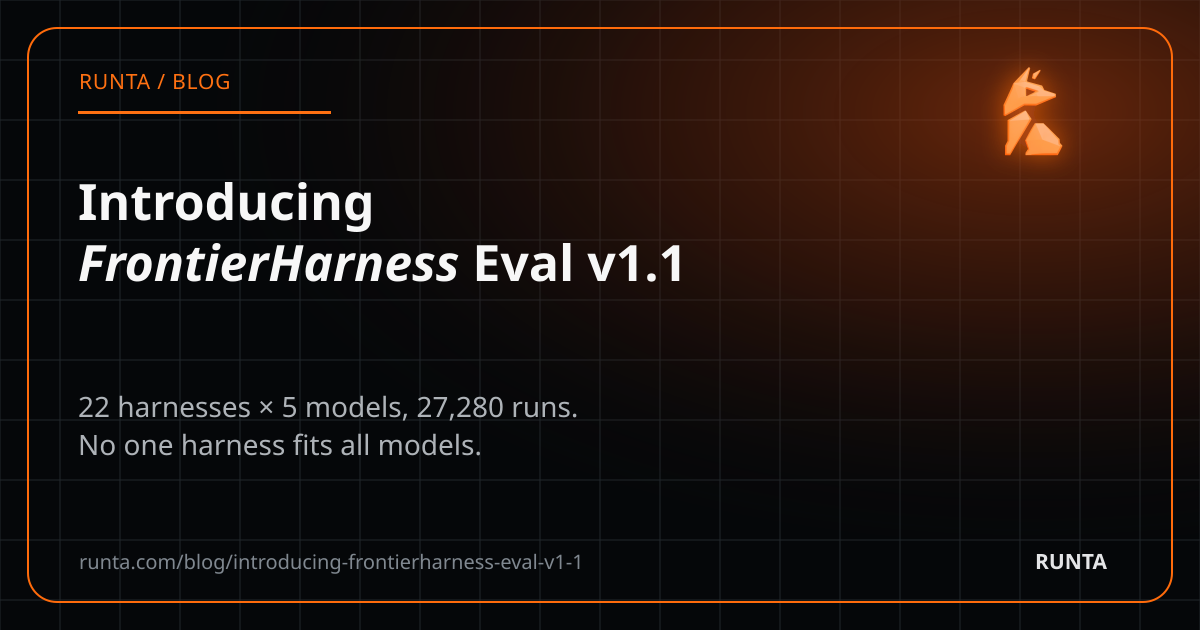
The HN thread drew 362 points and 125 comments.
Runta's FrontierHarness eval v1.1 tests which agent harness works best with each frontier model.
Hugging Face
Terminal-Bench 2.1 rises from about 40% to 56%, and the model makes 55 to 62% fewer tool calls.
Hugging Face released a LoRA adapter for Qwen3.8-27B that tunes it for the pi coding agent. On the hard subset of SWE-bench Pro, pass@1 rises from 29% to 63%.
AI security
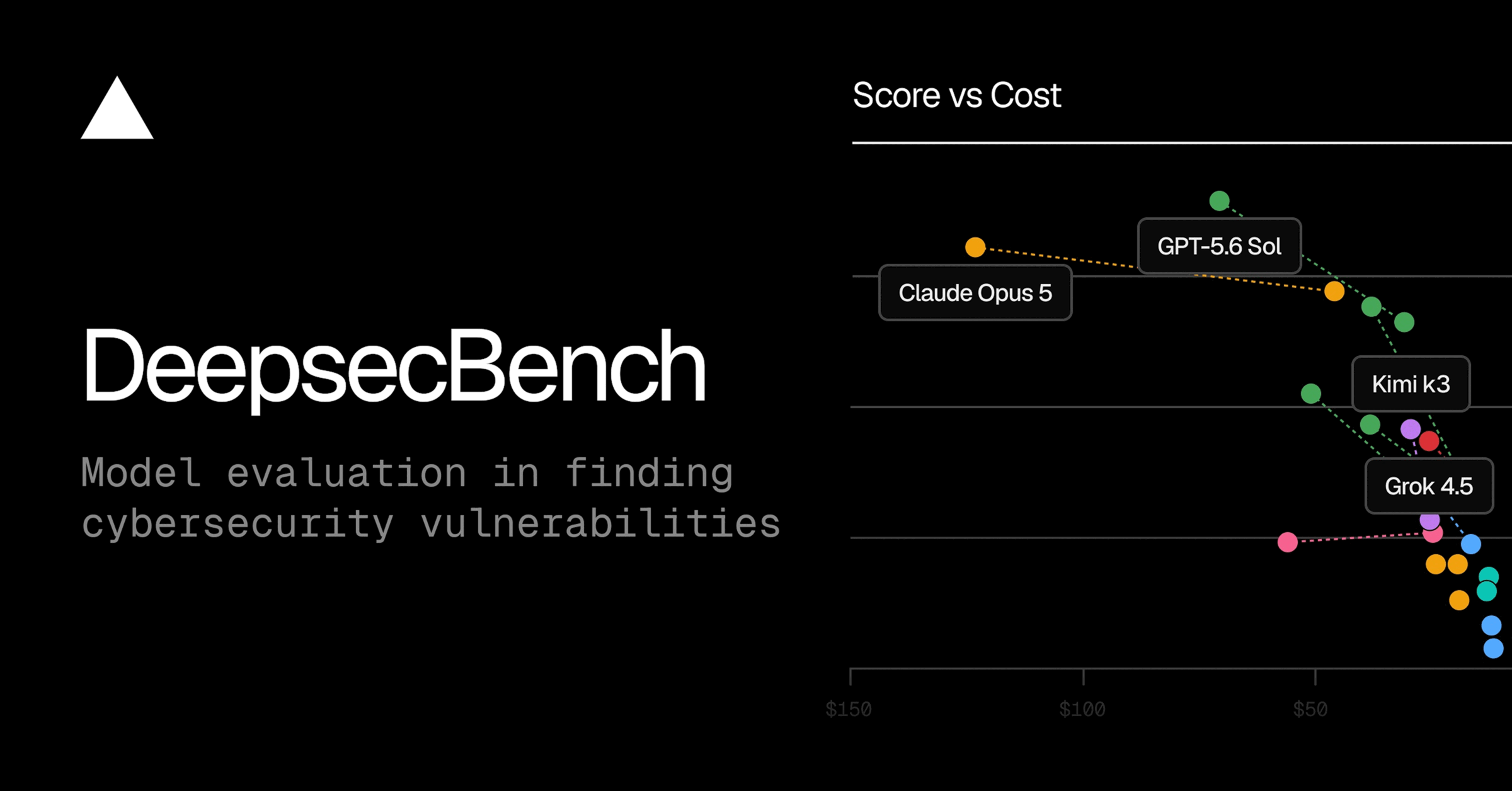
Cramforce says default and cyber versions of OpenAI models score the same.
Vercel's DeepSecBench, a stealth cyber benchmark, puts GPT-6.2 Astra about 20 points above the previous best, Sol 6. Vercel says no lab had access to its codebases to train on.
Self-improving AI

omarsar0 calls memory an important part of continual-learning agents.
Google shows a harness optimizer improves 9 of 10 continued runs when it remembers why it made each past edit. Meta lets a model design its own memory habits, then trains them into the weights.
Hugging Face

The team wanted to see whether an AI could earn real adoption on its own.
Hugging Face gave Opus 5.5 an account called Horizon-Labs plus compute. It reached 50,000 downloads, and its models are used in more than 100 GitHub projects.
Pretraining

Raschka tallied recipes from Llama, DeepSeek, Kimi and others.
Sebastian Raschka spots a possible trend: some new models keep the learning rate constant and average the last checkpoints. You do not have to pick the total training length up front.